Reliable in demanding environments
Designed for linear position applications involving heat, pressure, corrosion, radiation, or magnetic interference.
LVR — Linear Variable Resonance — technology is designed for applications where temperature, noise, magnetic fields, radiation, corrosion, pressure, or remote electronics requirements can limit traditional analog sensors.
In difficult environments, the challenge is not just measuring position — it is doing so reliably. LVR is designed to help address common linear sensing problems such as signal instability, environmental exposure, and the need to keep electronics away from the sensing zone.
Designed for linear position applications involving heat, pressure, corrosion, radiation, or magnetic interference.
The sensing element can operate in the harsh zone while electronics remain in a protected location.
LVR uses a frequency-based measurement method that can help reduce sensitivity to analog signal limitations.
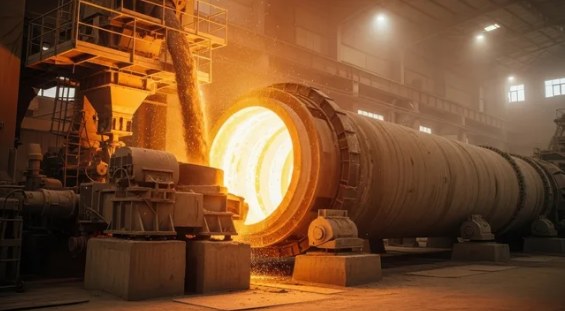
LVR is well suited for hot environments such as those found in industrial kilns, where electronics may need to be isolated from the sensing zone.
Some linear position applications are limited less by the measurement range and more by the surrounding conditions. LVR is intended for cases where harsh operating environments make sensor selection especially challenging.
The goal is practical: make reliable non-contact linear position sensing possible in places where heat, radiation, pressure, corrosion, or magnetic-field exposure complicate the use of conventional approaches.
Start with the overview, compare LVR with traditional LVDT sensors, or download the technical white paper for a more detailed explanation of the sensing principle and published performance comparison.
See how Linear Variable Resonance converts motion into a frequency-based position measurement.
Understand LVRCompare LVR with traditional analog LVDT sensors for harsh-environment linear measurement.
View ComparisonDownload the technical paper covering LVR fundamentals, test data, and application concepts.
Read the PaperSend your measurement range, target material, temperature exposure, installation constraints, operating environment, and any existing sensor details. LRT Sensors can help determine whether LVR technology may be a fit.